

Rheumatoid Arthritis
-
Umar Burney, MD Dual Board-Certified Orthopedic Surgeon Fellowship Trained Joint Replacement & Sports Medicine
Dr. Umar Burney completed a sports medicine/Joint replacement fellowship under the Tutelage of Drs. Leland Winston and Thomas Clanton at the University of Texas Houston Medical School. Dr. Umar Burney is a Board Certified Orthopaedic Surgeon.
What Is Hip Rheumatoid Arthritis?
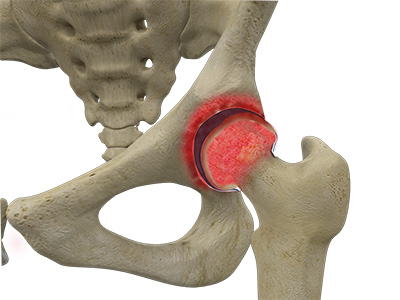
Hip rheumatoid arthritis occurs when the body's immune system mistakenly attacks the lining of the hip joint, known as the synovium. This immune response causes inflammation that can gradually damage cartilage, bone, and surrounding soft tissues.
Unlike osteoarthritis, which develops from wear and tear, rheumatoid arthritis is a systemic inflammatory condition. Over time, the inflammation within the hip joint may lead to stiffness, pain, and difficulty performing everyday activities such as walking, climbing stairs, or standing for long periods.
Although RA commonly affects smaller joints in the hands and feet first, the hips can become involved as the disease progresses.
What Are the Causes of Hip Rheumatoid Arthritis?
The exact cause of rheumatoid arthritis is not fully understood, but several factors are believed to contribute to the development of the condition. These may include:
- Autoimmune response: The immune system mistakenly attacks healthy joint tissue
- Genetic factors: Certain genes may increase susceptibility to rheumatoid arthritis
- Environmental triggers: Infections or environmental exposures may activate the immune response in genetically predisposed individuals
- Hormonal influences: RA is more common in women, suggesting hormones may play a role
- Smoking: Tobacco use has been linked to a higher risk of developing RA
These factors may interact in complex ways, leading to chronic inflammation within the hip joint.
What Are the Symptoms of Hip Rheumatoid Arthritis?
Symptoms of hip rheumatoid arthritis can develop gradually and may worsen over time. Common signs and symptoms include:
- Persistent hip pain, often felt in the groin, thigh, or buttock
- Joint stiffness, particularly in the morning or after periods of inactivity
- Reduced range of motion in the hip joint
- Difficulty walking or standing for extended periods
- Swelling or tenderness around the joint
- Fatigue and generalized joint discomfort, which are common in RA
Symptoms may occur in both hips and are often accompanied by RA symptoms in other joints.
How Is Hip Rheumatoid Arthritis Diagnosed?
Diagnosis typically involves a combination of medical history, physical examination, and diagnostic testing. A physician will evaluate joint function, tenderness, and mobility.
Imaging studies such as X-rays, MRI, or ultrasound may help identify joint damage or inflammation. Blood tests are also commonly used to detect markers associated with rheumatoid arthritis, including rheumatoid factor (RF) and anti-CCP antibodies.
Early diagnosis can help guide treatment and reduce the risk of long-term joint damage.
What Are the Treatment Options for Hip Rheumatoid Arthritis?
Treatment focuses on controlling inflammation, relieving symptoms, and protecting joint function. Options may include medications such as disease-modifying antirheumatic drugs (DMARDs) and biologic therapies that help regulate the immune system.
Physical therapy may help improve joint mobility, strengthen surrounding muscles, and maintain function. Lifestyle modifications, including low-impact exercise and weight management, may also reduce stress on the hip joint.
In cases where severe joint damage occurs, hip replacement surgery may be considered to restore mobility and improve quality of life.
For more information about our services or to schedule an appointment, call us at or click here to request an appointment online. We'll respond to you as soon as possible.